
Small Space, Big Intelligence
Today we focus on integrating smart home systems to elevate tiny apartments, turning every corner into a responsive companion that supports comfort, productivity, and rest. Expect realistic ideas for renters, compact hardware picks, interoperable standards that reduce clutter, and simple automations that feel thoughtful rather than flashy. We will blend practical layouts, energy wins, and personal anecdotes from micro-studios. Share your questions, tell us what works in your place, and subscribe for ongoing tweaks that keep improving your small home week after week.
Presence-Led Lighting That Expands Perception
Occupancy and motion sensors can layer light exactly where you move, avoiding the glare and shadows that make small rooms feel tight. Under-cabinet strips highlight vertical lines, path lights guide midnight trips, and gentle fade-outs protect sleepy eyes. Tie brightness to ambient daylight and time of day, and you will swear walls recede. Let visitors experience it and ask questions—then share your favorite sensor placements so others can borrow your clever tricks.
Transforming Furniture With Quiet Motors and Scenes
Compact apartments thrive on shapeshifting furniture. A motorized Murphy bed, lift-top coffee table, or height-adjustable desk can pivot modes with a single scene. Add child-safe sensors, soft-start motors, and speed limits to build trust. With a voice or tap, lights warm, blinds tilt, and your workstation surfaces appear. Over time, memory presets reduce fiddling. Tell us which motion speeds feel natural and which presets you actually use after the first enthusiastic week.
Decluttered Wiring and Consolidated Hubs
Visual clutter shrinks rooms. Consolidate radios and hubs into a single, well-ventilated cabinet, use PoE when possible, and route cables in short, labeled runs. Choose multi-radio bridges that speak Thread, Zigbee, and Bluetooth, minimizing boxes and power bricks. Keep maintenance simple with a tiny binder of QR codes, network maps, and automations. Snap photos as you go, then post your best concealment ideas so others can replicate tidy, renter-friendly installations.
Choosing an Ecosystem That Won’t Overwhelm a Studio
A single-room home magnifies every technical decision. The right ecosystem reduces duplicate alerts, app sprawl, and hub chaos. We will examine Matter and Thread for stability, compare assistants for daily convenience, and streamline automations so routines never conflict. Your goal is not chasing features, but selecting a path that respects space, reduces maintenance, and keeps roommates or guests comfortable. Share which platform you chose, why it clicked, and where it surprised you.
Why Matter and Thread Shine in Dense Buildings
Tiny apartments live in radio-crowded environments. Thread’s low-power mesh offloads devices from Wi‑Fi, improving battery life and responsiveness, while Matter creates a shared language across brands. This combination limits proprietary hubs and helps signals hop around walls without heavy interference. Expect smoother onboarding via platform-agnostic QR codes and fewer brittle bridges. If you migrated from older ecosystems, tell us what broke, what finally clicked, and which devices behaved like model citizens.
Pick One Voice and One App for Harmony
Multiple assistants in one room can feel like a chorus arguing. Choose a primary voice and a single app as the truth source for automations. Centralize scenes, disable duplicate routines elsewhere, and name devices clearly to avoid confusion. Guests appreciate consistent phrases, and your own brain will, too. If you consolidated from three platforms to one, share the before-and-after calm, plus any clever workarounds you used to keep specialty features without reintroducing chaos.
Apartment Networking Without Dead Spots
Small homes still suffer from dead corners behind appliances, mirrors, and dense walls. Start with a central router position, prefer Wi‑Fi 6 or 6E where devices support it, and plan channels to dodge neighbors. Avoid stacking the router in metal cabinets, watch for microwave interference, and reserve 2.4 GHz for low-bandwidth sensors. If a smart dimmer flakes at dinner time, log it, move the router slightly, and share your interference detective story with us.
Comfort and Efficiency Without Wasting a Watt
Efficiency is more than lower bills—it means comfort without compromise. In a compact studio, minor gains compound fast: smarter heat control, sunlight management, and measurement habits reveal hidden wins. We will combine thermostats or radiator valves with occupancy logic, automate shades for passive cooling, and track device draw with inexpensive plugs. Expect practical targets, not perfectionism. Tell us your baseline, then report back after two weeks so everyone can compare real-world results.
Atmosphere: Light, Sound, and Air That Soothe
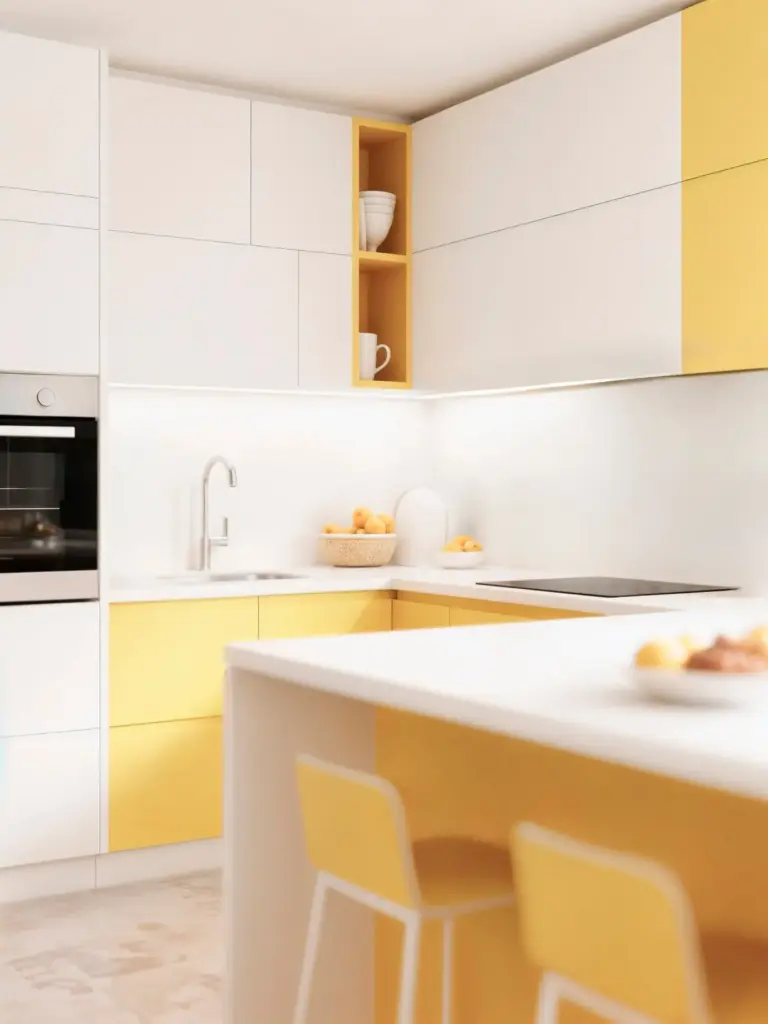
Ambience determines whether a tiny apartment feels like a retreat or a storage closet. We will sculpt light to flatter surfaces, use compact speakers for sound zones, and coordinate purification and fragrance for clean, calm air. Each element stacks with others, shifting mood without taking space. Scene-based transitions reduce decision fatigue. Share playlists, bulb color temperatures, purifier models, and your favorite wind-down ritual so the community can borrow and iterate on gentle routines.
Security, Etiquette, and Data Dignity
Safety should feel reassuring, not invasive, especially when living spaces double as bedrooms. We will combine renter-friendly access upgrades, discreet sensors, and respectful camera practices that honor privacy. Local-first storage and clear permission settings keep trust high. If you host guests or share with roommates, etiquette matters as much as hardware. Describe your entry routine, consent prompts, and data safeguards so others can build a calm, respectful security posture without awkward surprises.


Routines That Reclaim Every Square Foot
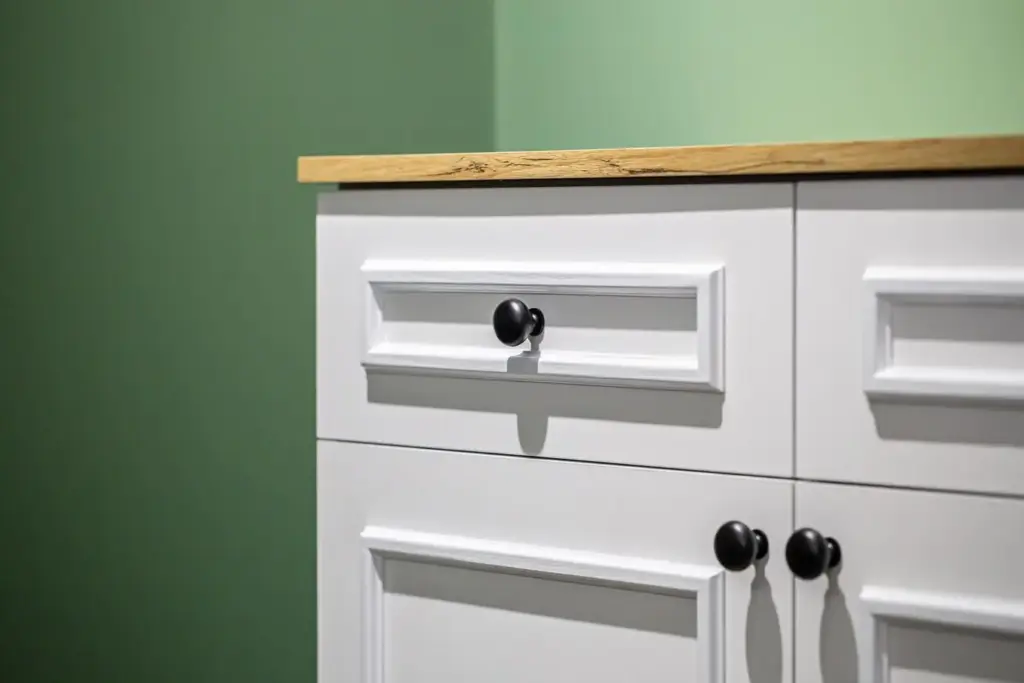
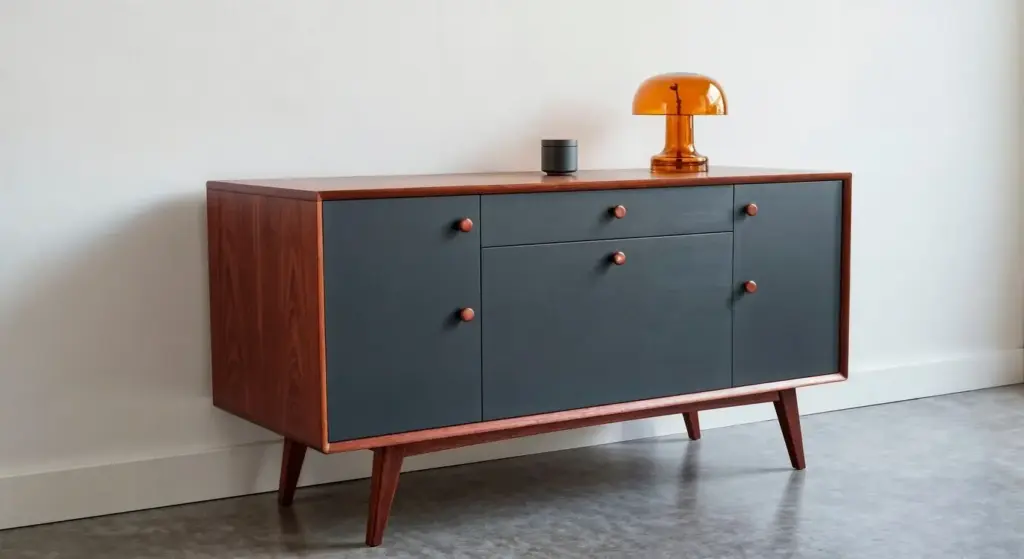
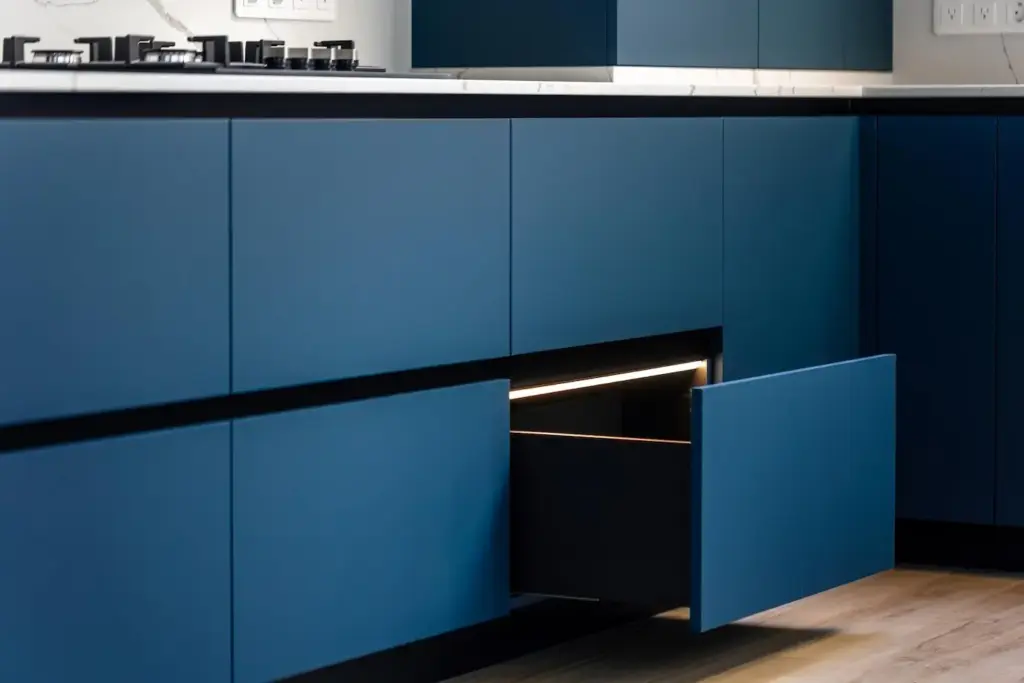
Automation shines when it tells a believable story about your day. Short, reliable sequences can transform tight quarters without showmanship: wake gently, convert the room for work, set a cooking stage, and reset for sleep. We will outline routines that combine sensors and scenes, then invite you to improve them. Report successes, snags, and tweaks so others refine their own choreography. Your feedback fuels better playbooks for real, lived-in small homes.
Morning: From Bed to Mini Office in Two Minutes
A sunrise fade lifts shades and warms bedside lamps. As your phone alarm dismisses, the bed lifts, the desk rises, and a task lamp brightens to cool white. Coffee starts when you step into the kitchen. Quiet fan and air purifier ramp up to freshen. A calendar snapshot appears on a small display. Share your timing offsets, favorite caffeine triggers, and how these tiny handoffs reduce decision fatigue before your first meeting.
Evening: Kitchen Alchemy in a Corridor
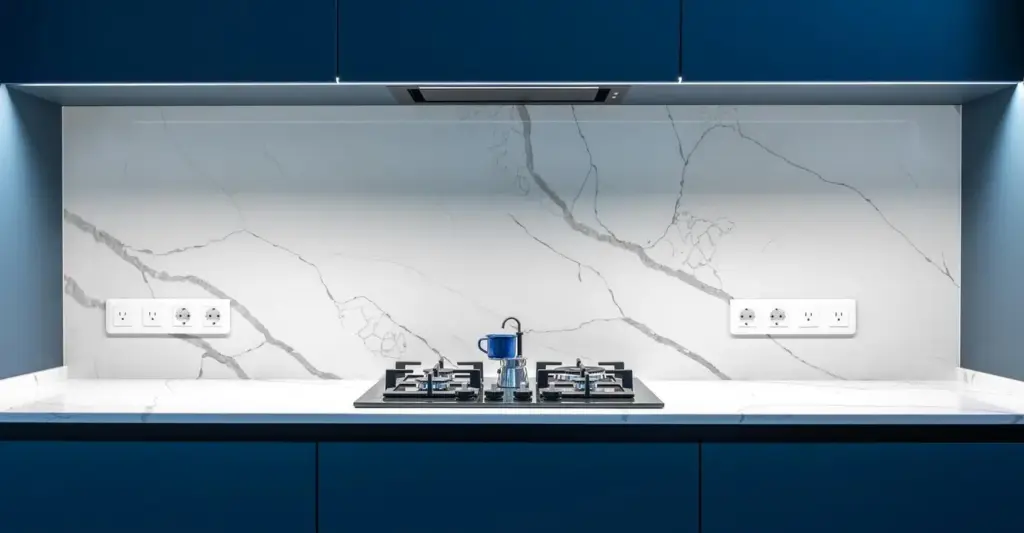
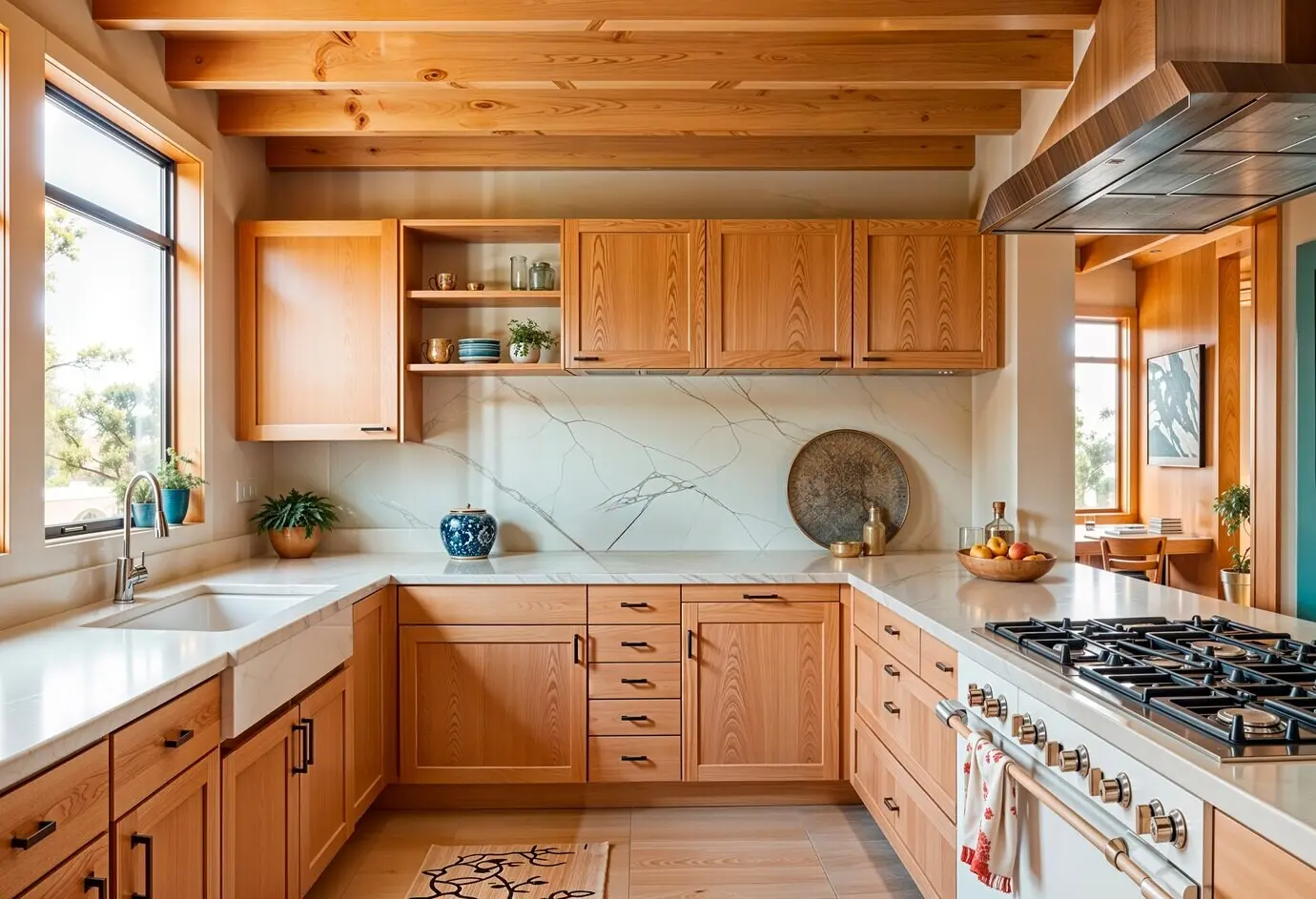
In many studios the kitchen is a hallway. A cooking scene intensifies task lighting, starts a range hood, and arms a timer you can pause by voice with messy hands. A speaker shifts to lively playlists while a plug cuts power to chargers. After dinner, counter lights dim for relaxed cleanup. Tell us which automations saved mishaps—boiling over, forgotten oven—and which gestures feel most natural when juggling pans in a narrow galley.
Night: Resetting the Stage for Tomorrow
One button dims lamps, lowers shades, and parks the desk at sit height for tomorrow. A robot vacuum runs zones only in clear areas, while the purifier drops to silent. Nonessential outlets shut off, and a warm night path lights the way to the bathroom. If a window is open, heat backs off. Share your nightly checklist, battery strategies, and whether a single goodnight routine finally ended late-night wandering and device anxiety.
All Rights Reserved.